

When someone reaches kidney failure, one question changes everything:
“Should I start dialysis… or should I get a kidney transplant?”
The answer isn’t the same for everyone.
But here’s one thing you should know:
Both treatments save lives.
Dialysis
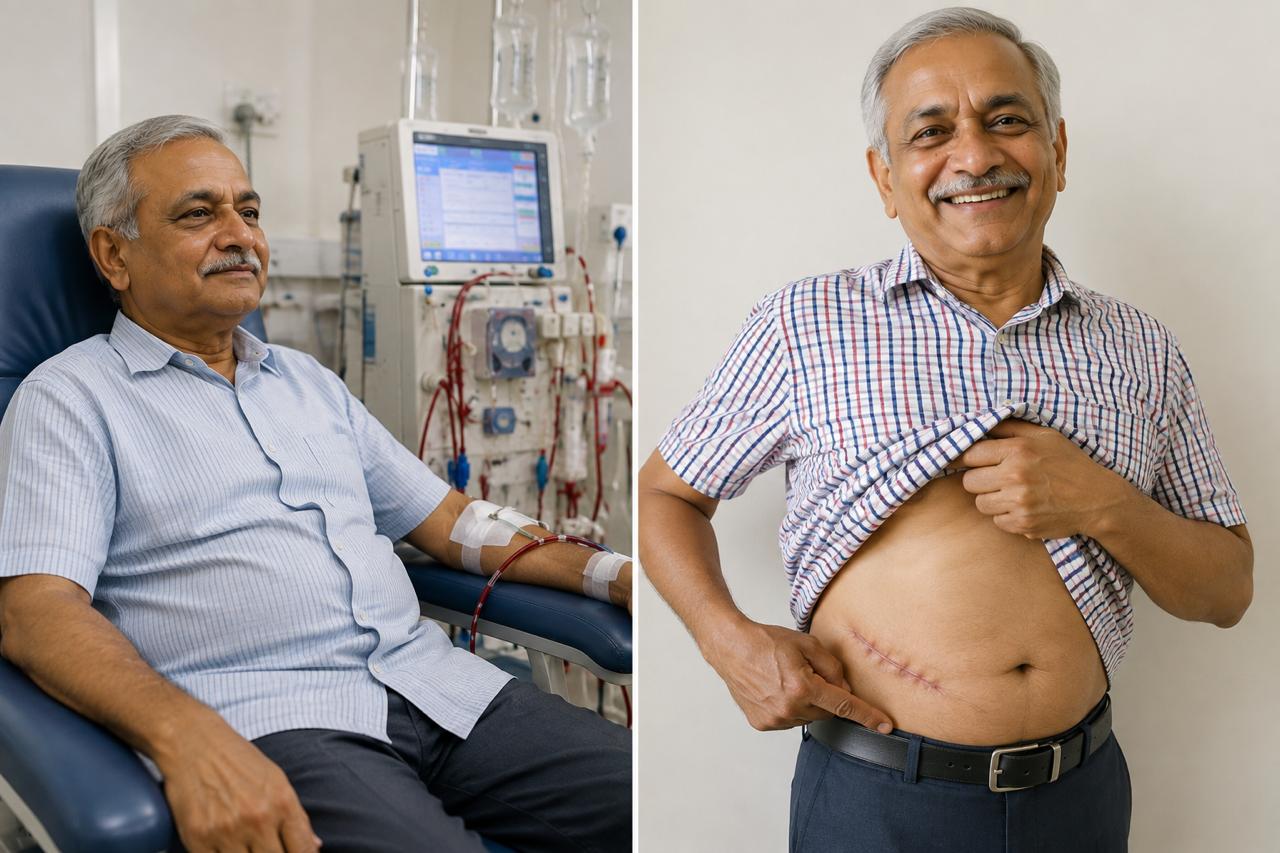
Dialysis is an artificial way of doing the work your kidneys can no longer do. It removes waste, controls fluid, and keeps you alive. For many people, it provides valuable time—to regain strength, spend time with family, and even prepare for a kidney transplant.
Thousands of people live meaningful, productive lives on dialysis for many years.
Kidney transplant
A kidney transplant, however, offers something different.
It gives you the closest thing to normal kidney function. Most patients have more energy, fewer dietary restrictions, greater freedom, and, in general, a longer and better quality of life than remaining on dialysis.
That is why, for most medically fit patients, a kidney transplant is the preferred treatment.
But transplantation isn’t possible for everyone.
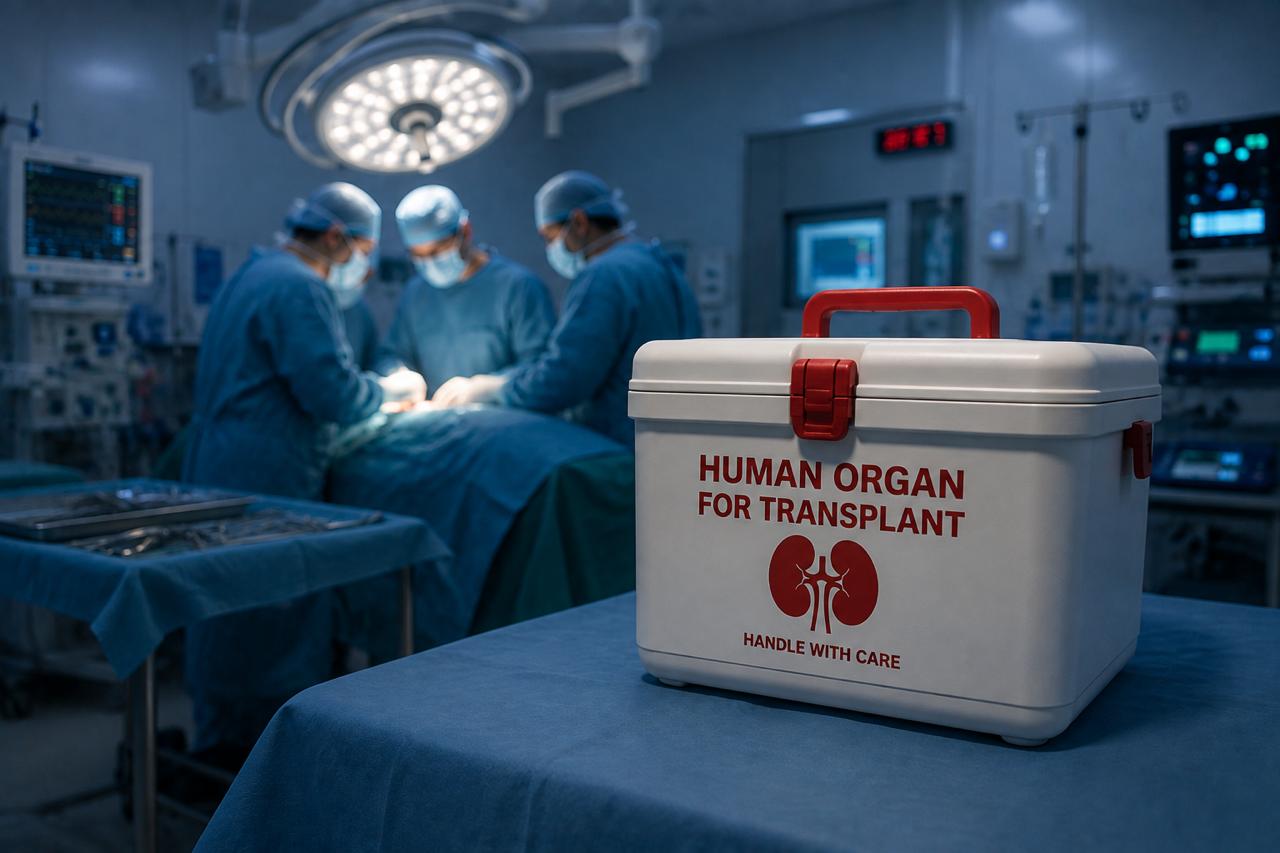
It requires good overall health, a suitable donor, major surgery, lifelong anti-rejection medicines, and regular follow-up. Some patients may need to wait months—or even years—for a suitable kidney.
How do you decide?
So how do you decide?
If you’re healthy enough and a transplant is possible, start preparing early. In fact, some patients receive a kidney transplant before they ever need dialysis, giving them the best possible outcome.
If a transplant isn’t immediately possible, don’t lose hope.
Dialysis is not a failure.
It is a bridge—a treatment that keeps you healthy and alive until transplantation becomes possible, or for as long as you need it.
The key message
Remember…
This is not a choice between life and death.
It is a choice between two different ways of preserving life.
The best decision is one made together—with your nephrologist, your family, and your own goals and values.
Because whatever path you choose…
The goal is the same.
Not just to live longer.
But to live better
More Blogs
23 August, 2026
Does Every Kidney Patient End Up on Dialysis?
One of the biggest fears people have after hearing the words “You have kidney disease” is… “Doctor, will I definitely end up on dialysis?” Does…
23 August, 2026
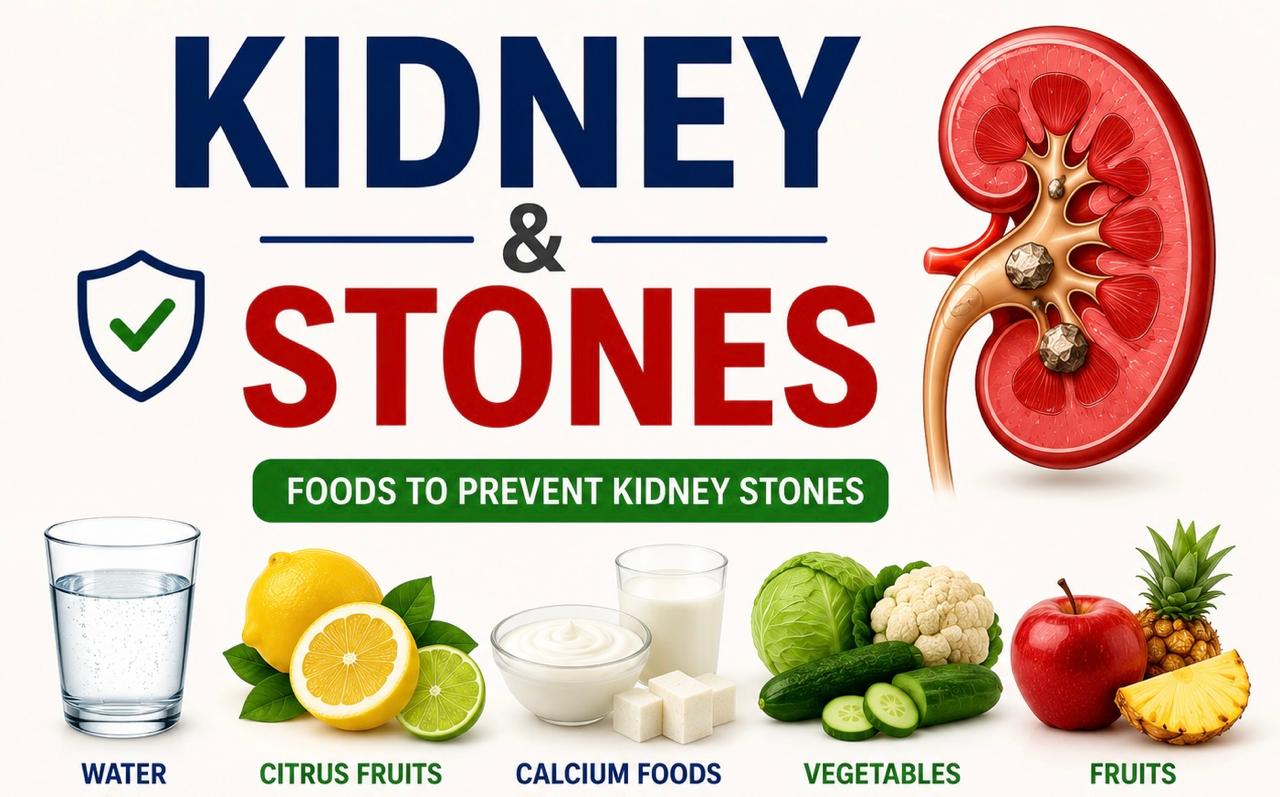
Foods to Limit if You Have Calcium Oxalate Stones
Calcium oxalate stones are the most common type of kidney stone. Limit foods that are very high in oxalate, such as: Foods to limit Spinach…