


One of the biggest fears potential kidney donors have is:
“If I donate a kidney… will I be able to live a normal life?”
The answer is reassuring.
For carefully selected healthy donors, kidney donation is remarkably safe.
How is a donor evaluated?
Before anyone is allowed to donate, they undergo one of the most thorough medical evaluations in medicine. Doctors assess kidney function, blood pressure, diabetes risk, heart health, and overall fitness to ensure that donation is safe—not just today, but for decades to come.
If there is any concern that donation could harm your future health, you simply won’t be allowed to donate.
What is recovery like?
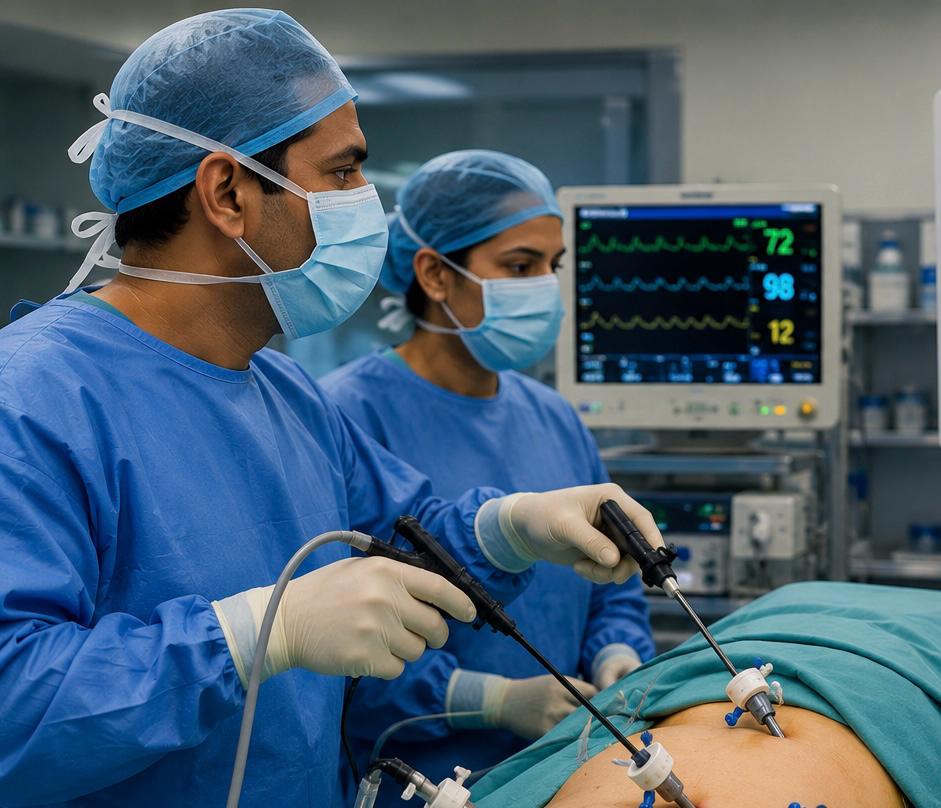
The operation itself is usually performed using keyhole (laparoscopic or robotic) surgery, which means smaller cuts, less pain, and faster recovery. Most donors are walking the next day, go home within a few days, and return to normal daily activities in 2 to 6 weeks, depending on the type of work they do.
What about life with one kidney?
What about life with one kidney?
The remaining kidney adapts remarkably well. It grows slightly larger and takes over much of the work of the missing kidney.
Studies following kidney donors for decades have shown that most donors live just as long, work just as hard, exercise, travel, marry, have children, and enjoy life just like anyone else.
Healthy habits after donation
Of course, donors should continue healthy habits—maintain a healthy weight, control blood pressure, avoid smoking, stay well hydrated, and have regular health check-ups.
Remember
Remember…
Kidney donation is not just an operation.
It is one of the greatest gifts one human being can give another.
- You give someone freedom from dialysis.
- You give them more birthdays.
- More family moments.
- More life.
And because donor safety always comes first, the transplant team’s first responsibility is to protect you while helping someone else.
Saving a life should never cost you your own health—and that’s exactly why living kidney donation is so carefully planned
More Blogs
23 August, 2026
When Should an AV Fistula Be Made?
One of the biggest misconceptions about dialysis is that an AV fistula is made only after dialysis starts. It isn’t. In fact, the best time…
23 August, 2026
Can I Donate My Kidney?
The answer is… Yes—if you’re healthy enough to donate safely. A healthy person can live a normal, active life with just one kidney. Thousands of…