


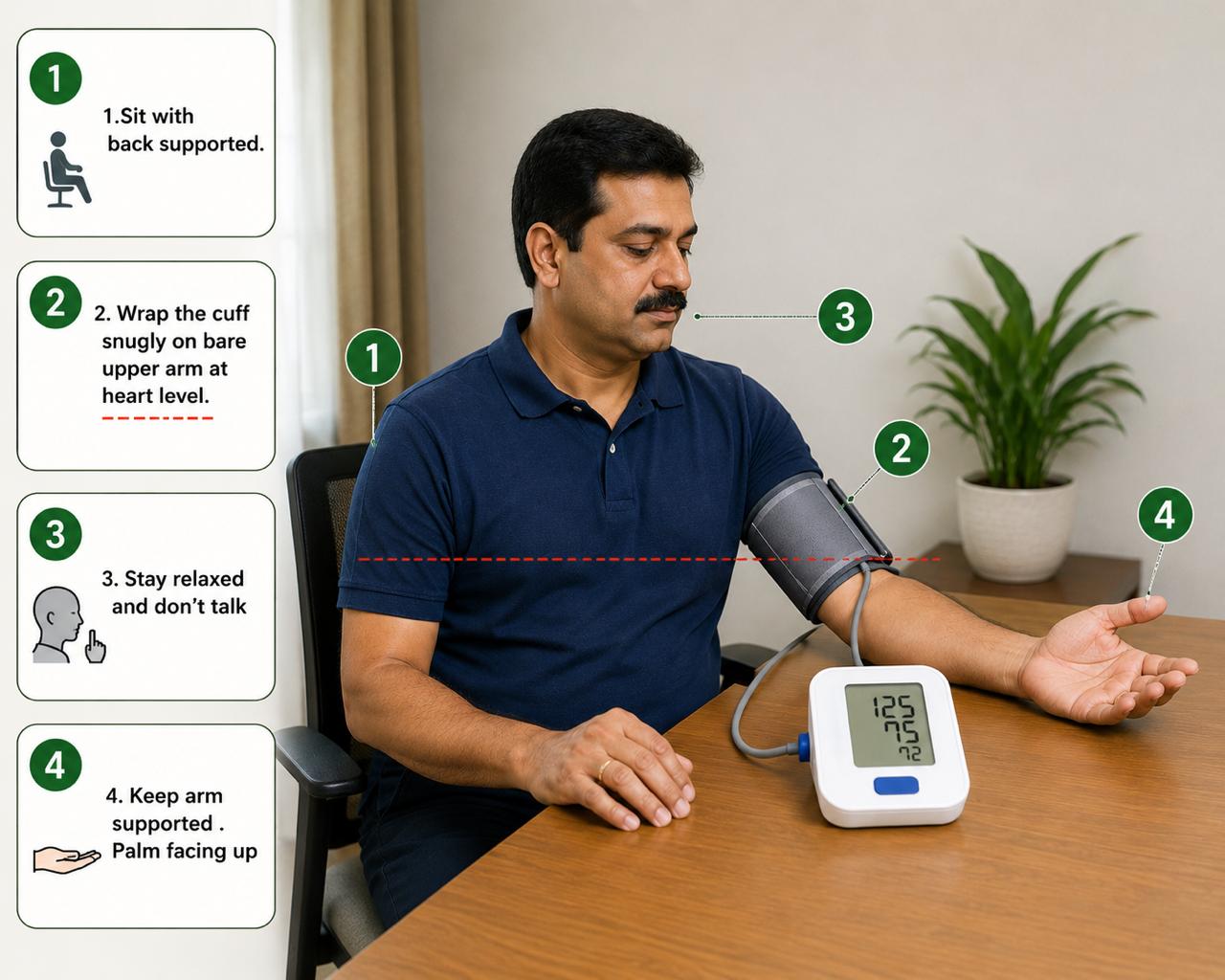
Home blood pressure monitoring is one of the best ways to know your true blood pressure. In fact, home readings are often more reliable than a single reading taken in the hospital because you are relaxed and in your usual environment.
Before measuring your blood pressure
But remember…
A wrongly measured blood pressure is just as dangerous as not measuring it at all.
Before measuring your blood pressure
Rest quietly for 5 minutes.
Sit the right way
Avoid tea, coffee, smoking, alcohol, or exercise for at least 30 minutes before checking.
Empty your bladder if it is full.
Sit the right way
Use the cuff correctly
Sit comfortably with your back supported.
Keep both feet flat on the floor. Do not cross your legs.
Rest your arm on a table so that the middle of the cuff is at heart level.
Do not talk or use your mobile phone while measuring.
Take the readings
Use the cuff correctly
Use a validated automatic upper-arm blood pressure monitor.
Choose the correct cuff size for your arm.
Wrap the cuff snugly around your bare upper arm.
Take the readings
Take 2 readings, 1 minute apart.
Measure once in the morning (before breakfast and before taking BP medicines) and once in the evening (before dinner).
Check your blood pressure more frequently if:
Continue this for 7 consecutive days.
- Ignore the first day’s readings and calculate the average of the remaining readings. This average gives the best estimate of your usual blood pressure.
- When should you check more often?
- Check your blood pressure more frequently if:
- Your medicines have recently been changed.
- Your blood pressure is uncontrolled.
- Your doctor has advised closer monitoring.
- Remember
- Don’t panic because of one high reading.
- Look at the average over several days, not a single number.
- And don’t stop your medicines because your blood pressure has become normal.
- Your blood pressure is normal because your medicines are working.
One message to remember…
Remember
Measure it correctly. Record it regularly. Share it with your doctor.
Good blood pressure control protects your kidneys, heart, brain, and eyes for life
More Blogs
23 August, 2026
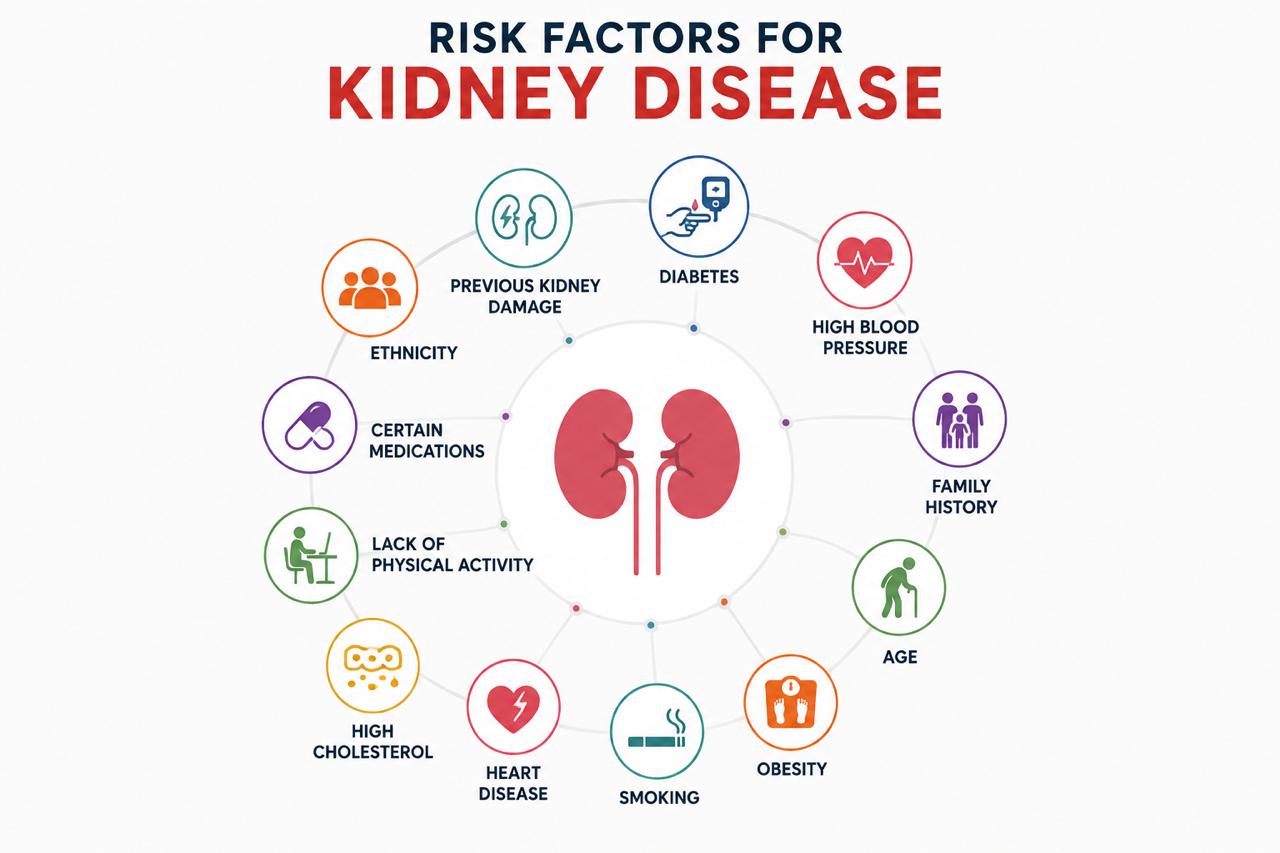
What Are the Risk Factors for Kidney Disease?
Kidney disease is often called a “silent disease” because it can develop for years without causing any symptoms. The good news is that many people…
23 August, 2026
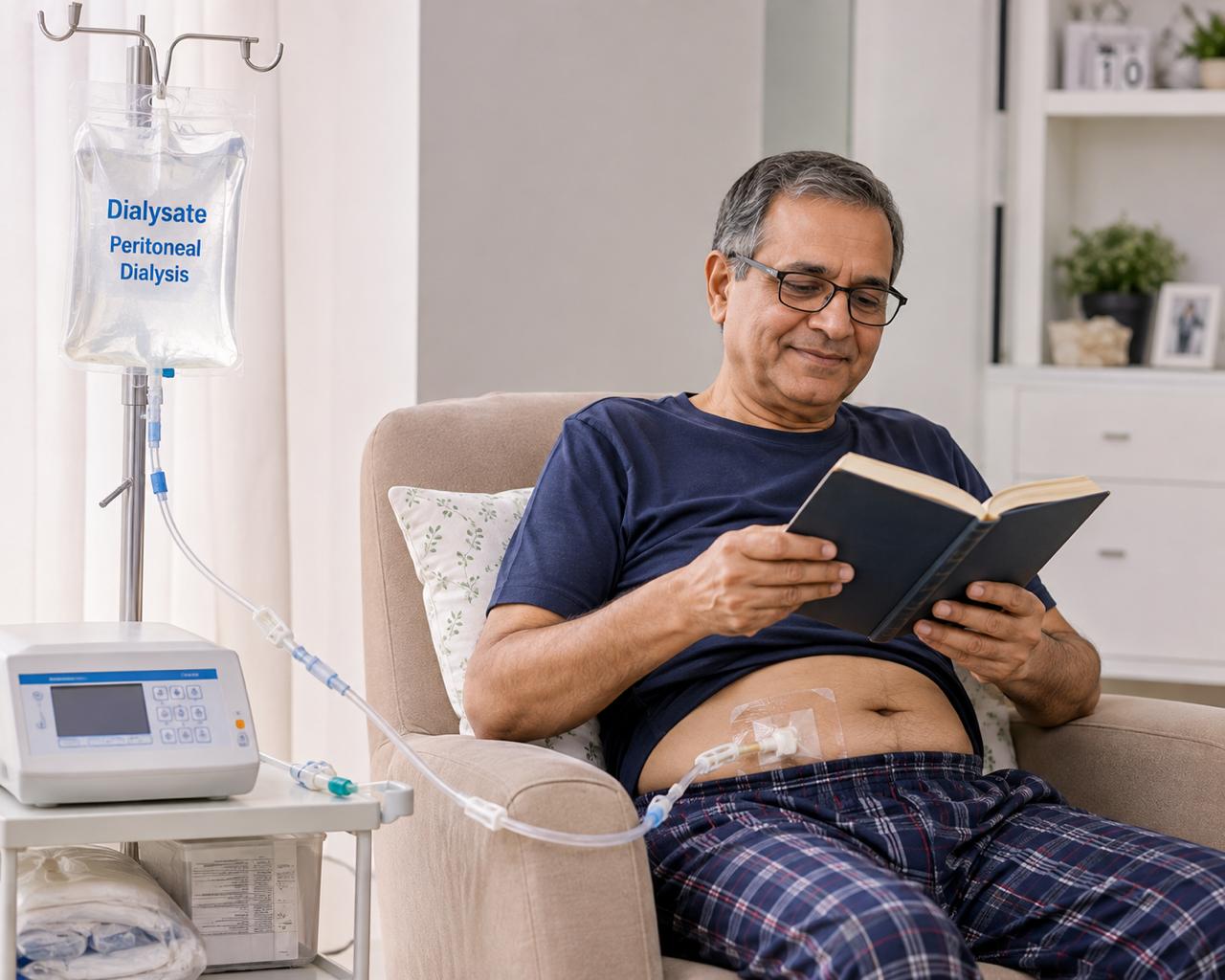
Hemodialysis or Peritoneal Dialysis—Which Is Better?
When someone is told they need dialysis, one of the first questions is: “Should I choose hemodialysis or peritoneal dialysis?” The answer is simple. There…