

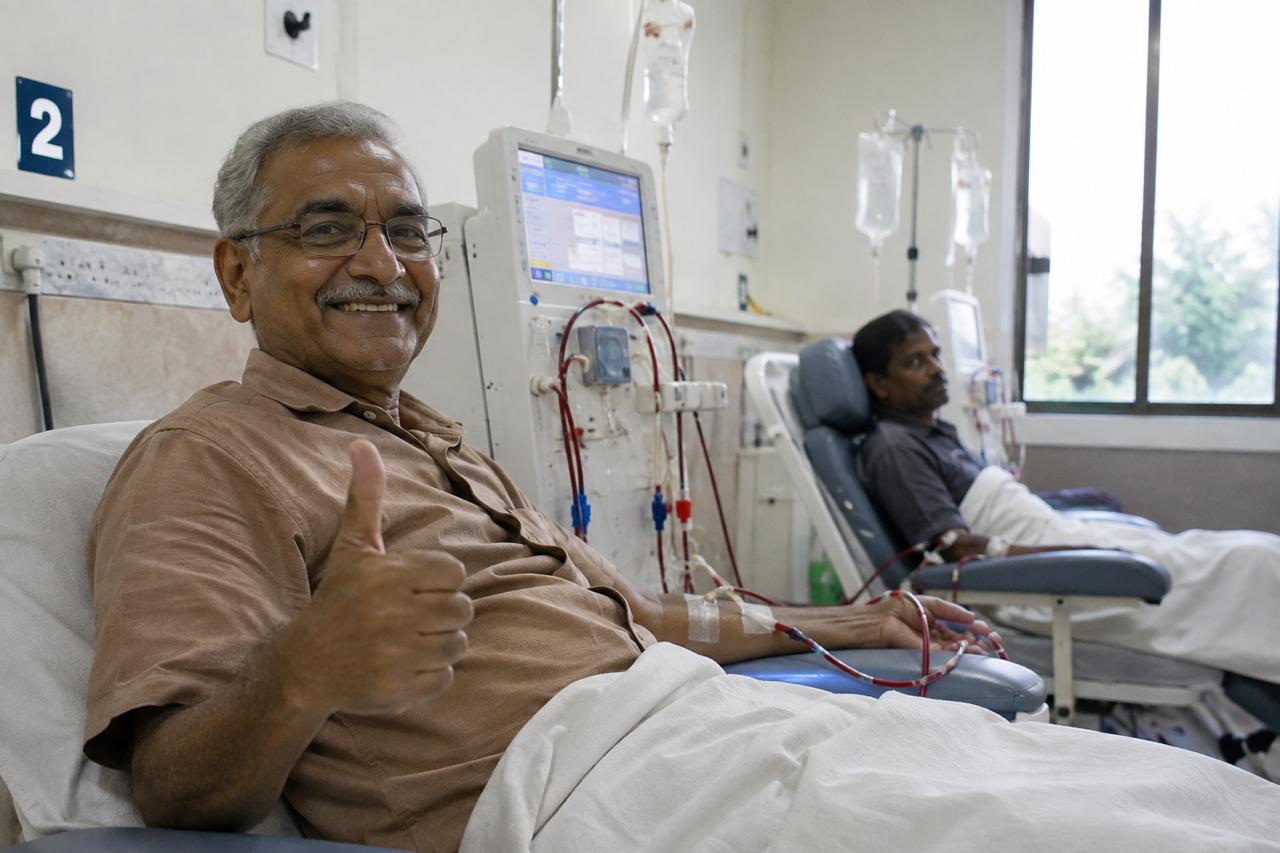
When dialysis begins, everything changes.
Dialysis removes harmful waste products from the blood, but it also removes small amounts of amino acids and protein during every treatment.
Signs of Protein-Energy Wasting
Many dialysis patients also have inflammation, infections, poor appetite, or repeated hospital admissions, all of which increase muscle breakdown.
- If you continue eating a low-protein diet after starting dialysis, your body has no choice but to break down its own muscles for energy.
- This can lead to a condition called Protein-Energy Wasting, which is common but preventable.
- Signs of Protein-Energy Wasting
- Muscle loss
- Weakness
- Weight loss
- Poor appetite
- Constant tiredness
The Protein Myth
Frequent infections
Slow wound healing
Reduced quality of life
THE PROTEIN MYTH
Many patients continue following the same “kidney diet” they were advised before dialysis.
This is one of the most common mistakes.
Remember this simple rule:
Your Diet Must Change When Your Treatment Changes
CKD (Not on Dialysis)
- Control protein → Protect the kidneys.
- On Dialysis
- Increase protein → Protect your muscles, strength, and overall health.
- Your Diet Must Change When Your Treatment Changes
- There is no single kidney diet that suits every patient.
- Your protein requirement depends on:
- Whether you are on dialysis
What determines your protein requirement?
Your body weight
Your nutritional status
Your blood tests
Your overall health
Speak to your nephrologist or renal dietitian about how much protein is right for you.
Remember…
Dialysis removes waste.
Protein builds muscles.
The key message
Good nutrition keeps you strong enough to enjoy life.
The goal is not just to live longer—it is to live stronger
More Blogs
23 August, 2026
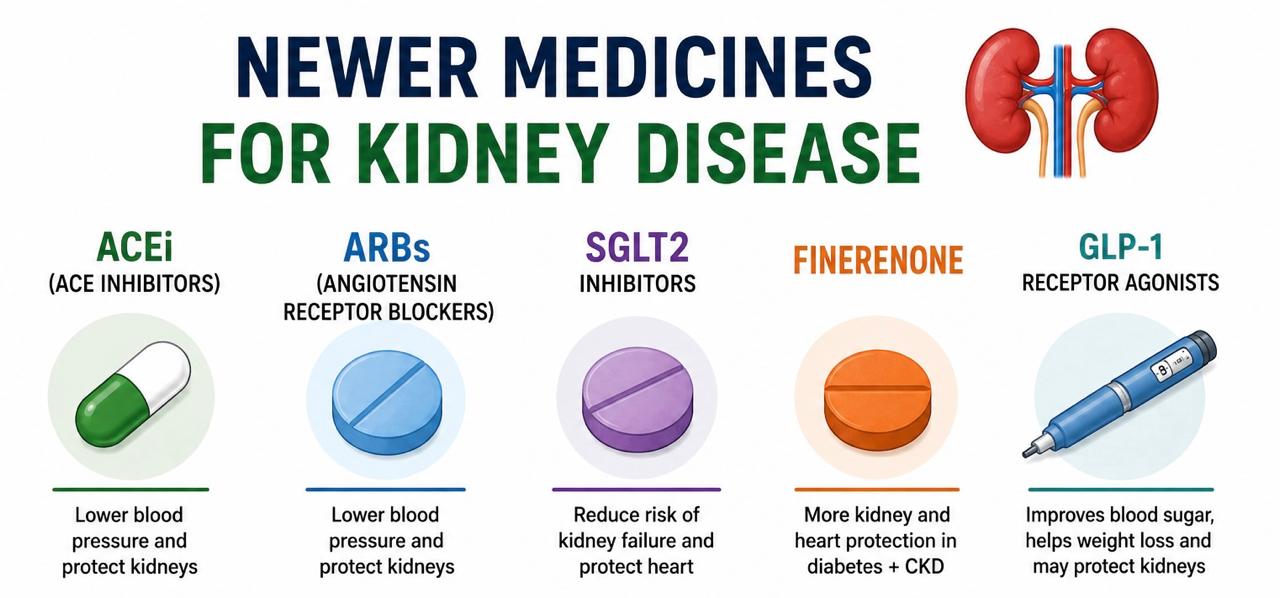
“Newer medicines for kidney disease – A new era of hope”
Not long ago, when someone was diagnosed with chronic kidney disease, our main aim was simply to slow the damage. Medicines that protect the kidneys…
23 August, 2026
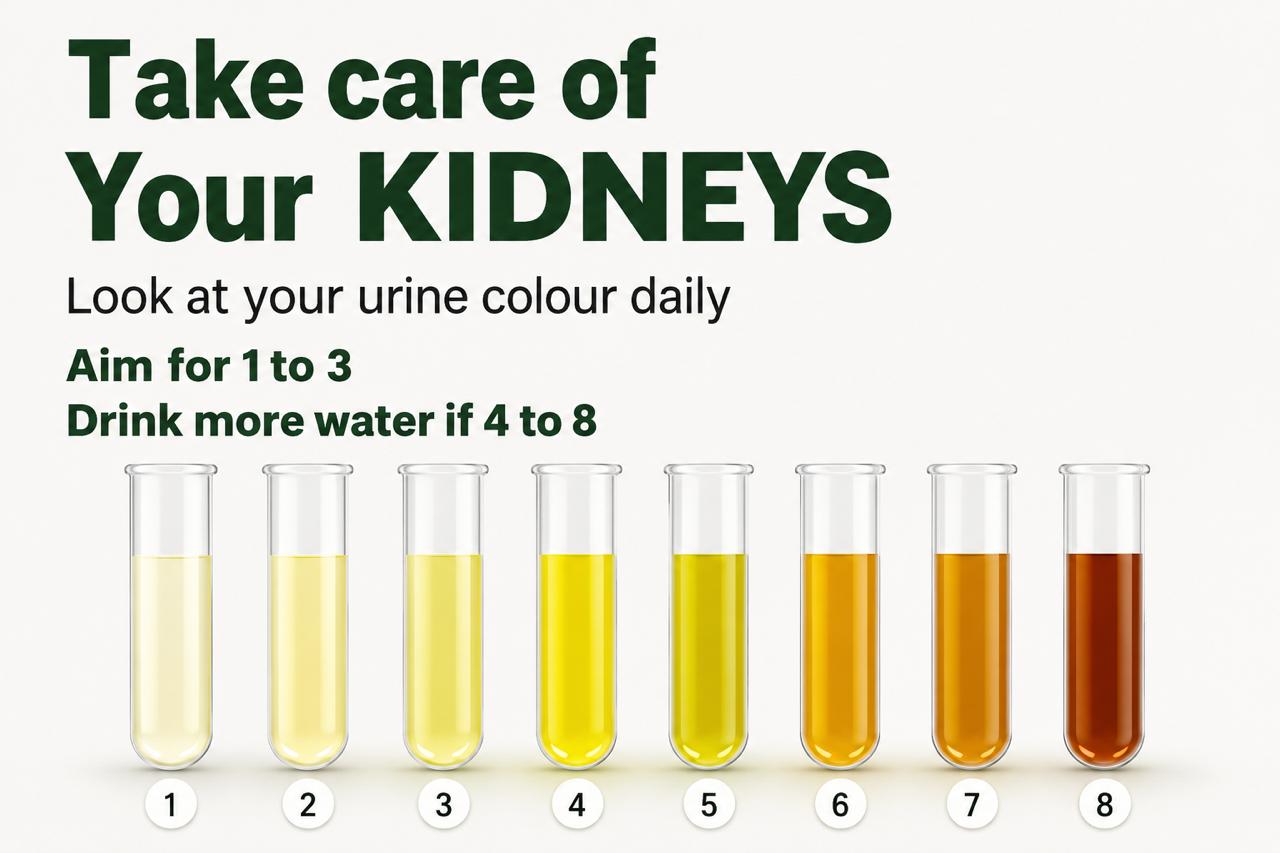
Common Myths
Myth: Everyone should drink 5 liters of water daily. Common myths Fact: Too much water can be harmful, especially in kidney disease and heart failure.…