

One of the most common questions I hear is,
“Doctor, my blood pressure is 135/85. Is that good or bad?”
The answer is…
It depends on your medical condition.
Blood Pressure Targets
There is no single blood pressure target for everyone. A healthy young person, a patient with diabetes, someone with kidney disease, and a person who has had a stroke may all have different blood pressure goals.
Blood Pressure Targets
Condition Hospital BP Target Home BP Target
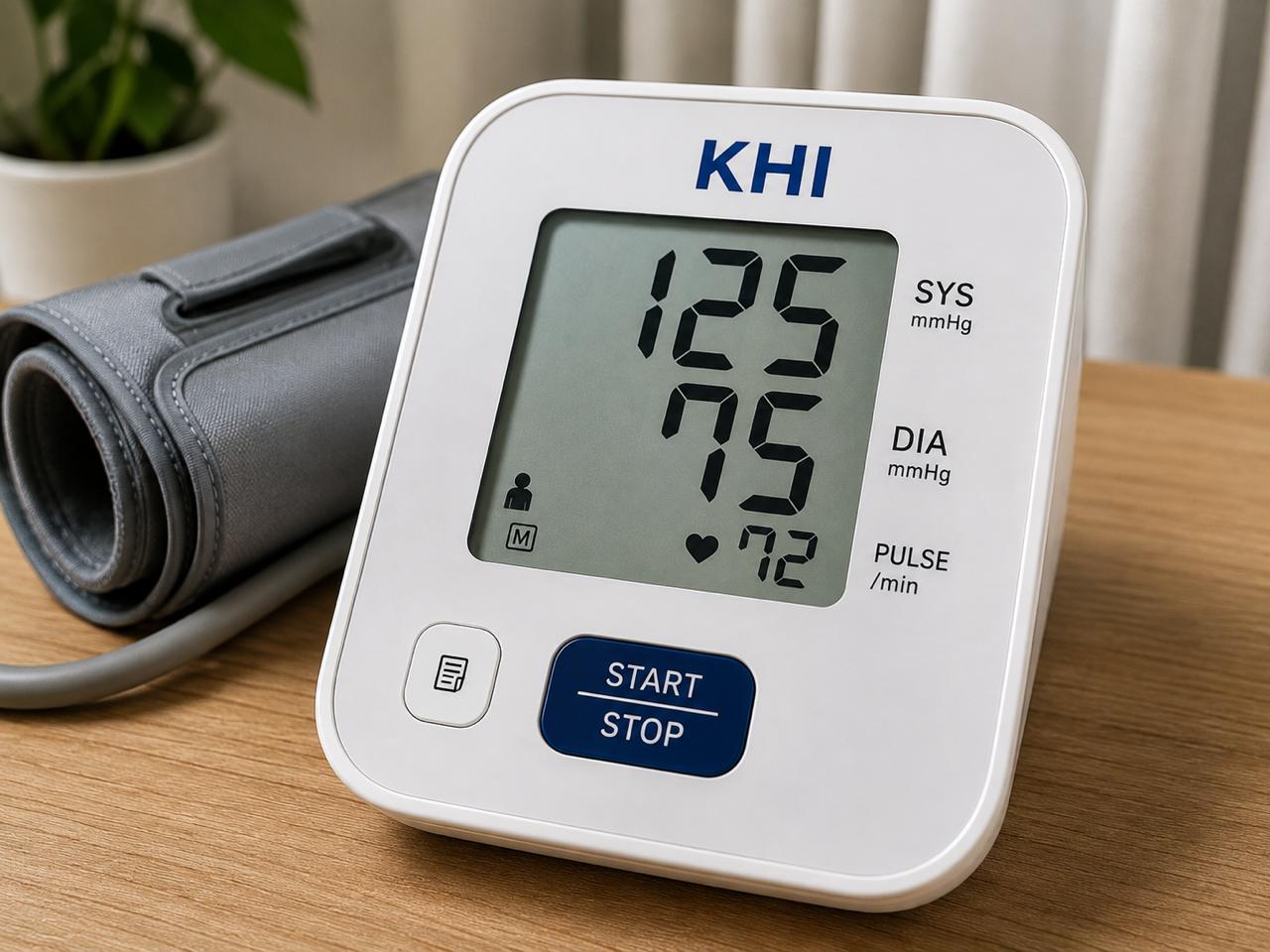
High Blood Pressure (Hypertension) <140/90 mmHg <135/85 mmHg Diabetes Mellitus <130/80 mmHg <125/75 mmHg Chronic Kidney Disease (CKD) <130/80 mmHg <125/75 mmHg CKD with Protein in the Urine <130/80 mmHg <125/75 mmHg Coronary Artery Disease (CAD) <130/80 mmHg <125/75 mmHg Previous Stroke or TIA <130/80 mmHg <125/75 mmHg Why are the targets lower in these diseases?
Hospital BP vs Home BP
If you have diabetes, high blood pressure can damage the kidneys, eyes, heart, and brain much faster. Keeping your blood pressure lower helps prevent these complications.
If you have chronic kidney disease, every reduction in blood pressure helps slow the loss of kidney function. If you also have protein leaking into the urine, controlling blood pressure is one of the most effective ways to reduce further kidney damage.
If you’ve had a heart attack, coronary artery disease, or a stroke, good blood pressure control lowers the risk of another heart attack, another stroke, heart failure, and premature death.
Hospital BP vs Home BP
Many people become worried when their blood pressure is high in the hospital.
Remember, hospital blood pressure and home blood pressure are not the same.
Pain, anxiety, rushing to the clinic, or simply seeing a doctor can temporarily increase your blood pressure. This is called the white-coat effect.
How to Measure Blood Pressure at Home
That’s why home blood pressure monitoring is often a better reflection of your true blood pressure.
How to Measure Blood Pressure at Home
Rest quietly for 5 minutes before checking.
Sit with your back supported and feet flat on the floor.
Keep your arm supported at heart level.
Use the correct cuff size.
Avoid tea, coffee, smoking, or exercise for 30 minutes before checking.
Measure twice in the morning and twice in the evening for 7 days.
Ignore the first day’s readings and calculate the average of the remaining readings.
Remember
High blood pressure is called the silent killer because it usually causes no symptoms.
You may feel completely normal while it quietly damages your kidneys, heart, brain, and eyes.
Remember
Don’t just know your blood pressure. Know your target.
Reaching your target blood pressure is one of the most powerful ways to prevent kidney failure, heart attack, stroke, and premature death.
Every few millimetres of mercury you lower today can add healthy years to your life tomorrow.
More Blogs
23 August, 2026
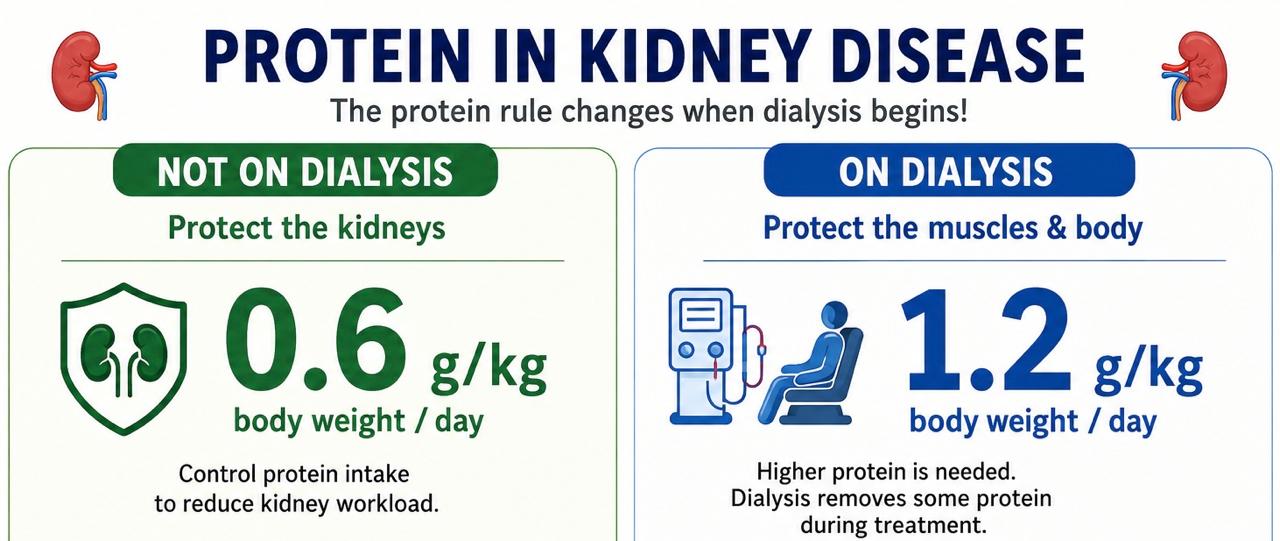
PROTEIN & KIDNEY DISEASE
The Protein Rule Changes When Dialysis Begins One of the biggest misconceptions about kidney disease is this: “Doctor, my kidneys are weak, so I should…

23 August, 2026
Can I Donate My Kidney?
The answer is… Yes—if you’re healthy enough to donate safely. A healthy person can live a normal, active life with just one kidney. Thousands of…