



Many patients believe that once they start dialysis, all their symptoms should disappear.
Unfortunately, that’s not always the case.
If you’re still feeling unwell despite regular dialysis, don’t ignore it. Your body is trying to tell you something.
Why might you still have symptoms?
Persistent tiredness may mean anemia, poor nutrition, or that your dialysis isn’t adequate.
Breathlessness or swelling could be a sign that too much fluid is still building up or that your “dry weight” needs to be adjusted.
Persistent itching, muscle cramps, restless legs, nausea, poor appetite, or trouble sleeping may point to mineral imbalance, high phosphorus, inadequate dialysis, or medication issues.
Chest pain, fever, chills, redness around your dialysis access, or severe abdominal pain (for patients on peritoneal dialysis) should never be ignored. These could be signs of serious infection or heart problems and require urgent medical attention.
Sometimes the problem isn’t the dialysis itself.
It could be your blood pressure, diabetes, heart disease, poor nutrition, depression, thyroid problems, or another medical condition that needs treatment.
What should you ask your dialysis team?
If you’re having ongoing symptoms, speak openly with your dialysis team.
- Ask:
- Am I getting enough dialysis?
- Is my dry weight correct?
- How are my hemoglobin, potassium, calcium, phosphorus, and albumin levels?
- Is my fistula or dialysis access working properly?
- Should my medications or dialysis prescription be changed?
Remember
Remember…
Dialysis should help you feel better—not just keep you alive.
If you’re still struggling, don’t suffer in silence.
Your nephrologist can often identify the cause and make changes that improve your comfort, energy, and quality of life.
Living on dialysis is about more than surviving. It’s about living well
More Blogs
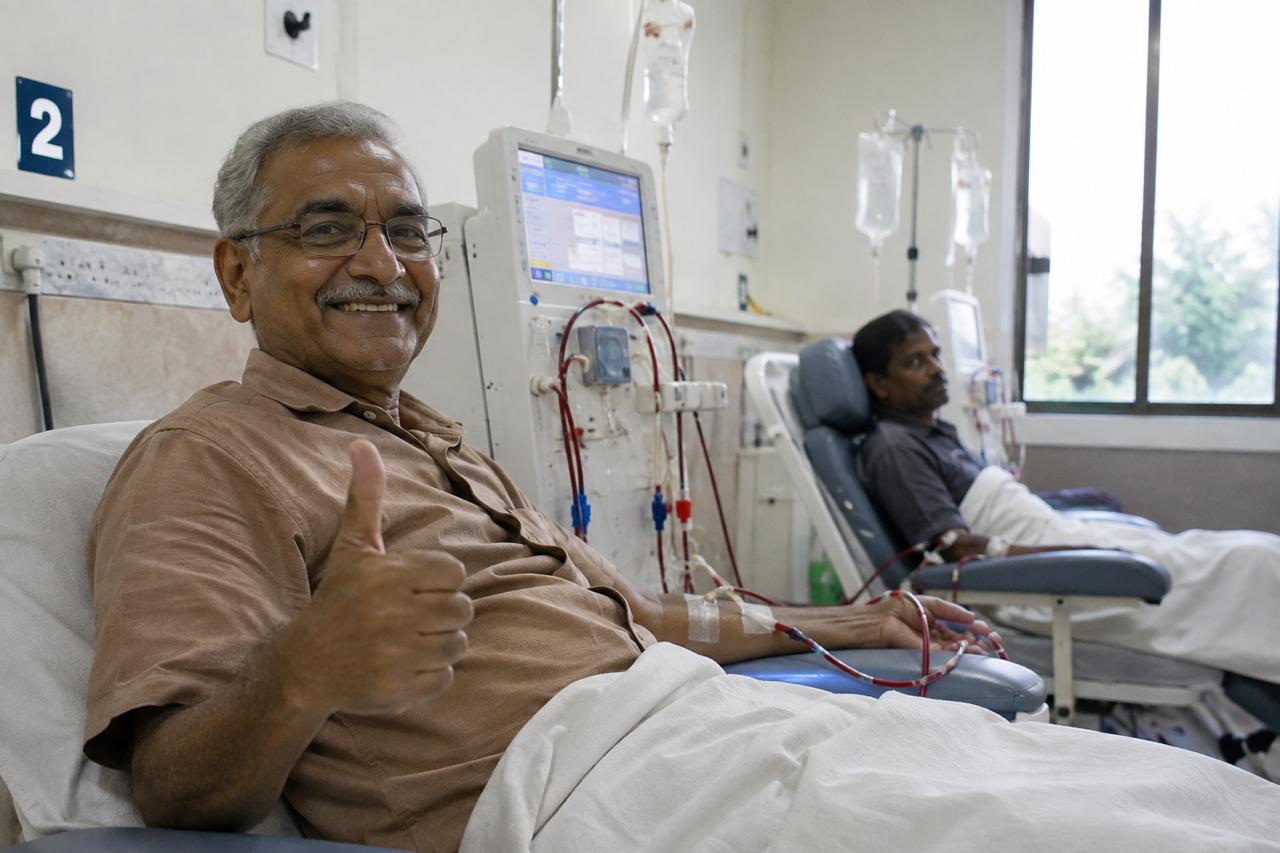
23 August, 2026
ONCE DIALYSIS STARTS — YOUR BODY NEEDS MORE PROTEIN
When dialysis begins, everything changes. Dialysis removes harmful waste products from the blood, but it also removes small amounts of amino acids and protein during…
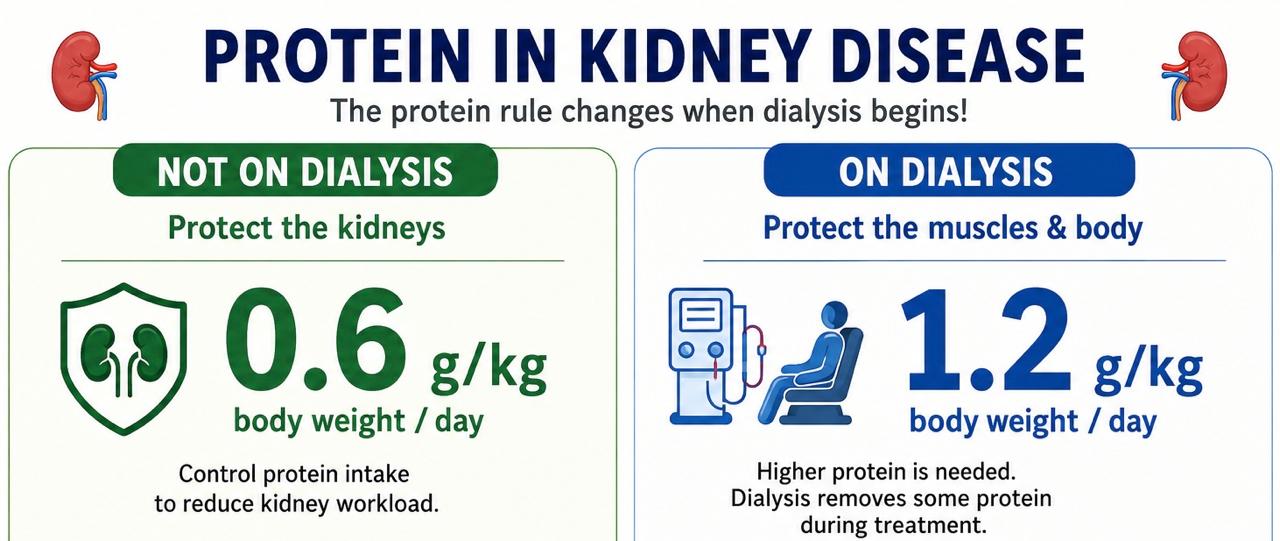
23 August, 2026
PROTEIN & KIDNEY DISEASE
The Protein Rule Changes When Dialysis Begins One of the biggest misconceptions about kidney disease is this: “Doctor, my kidneys are weak, so I should…