



The answer is yes.
And that’s exactly why parents need to know the warning signs.
Most people think kidney disease is a problem of old age—something caused by diabetes or high blood pressure.
But kidney disease can affect newborn babies, toddlers, school-going children, and teenagers.
The good news?
Most childhood kidney diseases can be treated successfully, especially when detected early.
What causes kidney disease in children?
What Causes Kidney Disease in Children?
Children develop kidney disease for many different reasons.
Some are born with abnormalities of the kidneys or urinary tract.
Some develop nephrotic syndrome, where the kidneys leak large amounts of protein into the urine, causing swelling.
Others may have kidney inflammation (glomerulonephritis) after an infection.
Some suffer from recurrent urinary tract infections, kidney stones, or inherited conditions such as polycystic kidney disease or Alport syndrome.
In rare cases, children may even develop kidney failure requiring dialysis or kidney transplantation.
What are the warning signs?
What Are the Warning Signs?
Kidney disease is often silent.
But parents should never ignore these symptoms:
- Puffiness around the eyes, especially in the morning
- Swelling of the feet or body
- Frothy urine
- Blood in the urine
- Pain or burning while passing urine
- Recurrent urinary infections
- Poor growth or failure to gain weight
- High blood pressure
- Poor appetite, vomiting, or unusual tiredness
- Bedwetting after a child has already become dry
Even one of these signs deserves medical attention.
How is kidney disease diagnosed?
How Is Kidney Disease Diagnosed?
Most kidney diseases can be detected with simple tests.
- Your doctor may recommend:
- Urine examination
- Blood tests to check kidney function
- Blood pressure measurement
- Ultrasound of the kidneys
- Special blood tests or, occasionally, a kidney biopsy
The earlier the diagnosis, the better the outcome.
Can children recover?
Can Children Recover?
In many cases…
Yes.
Many children with nephrotic syndrome respond beautifully to medicines.
Urinary infections can be treated.
Congenital abnormalities can often be corrected.
Even children with chronic kidney disease can continue to grow, study, play, and enjoy life with proper treatment.
And if kidney failure develops, dialysis and kidney transplantation have transformed the lives of thousands of children across the world.
A transplanted child can often return to school, play sports, and dream about the future just like any other child.
How can parents protect their child’s kidneys?
How Can Parents Protect Their Child’s Kidneys?
- Encourage children to drink enough water.
- Treat urinary infections promptly.
- Avoid unnecessary painkillers without medical advice.
- Control blood pressure if present.
- Attend regular follow-up visits if your child has a known kidney problem.
And most importantly…
Never ignore swelling or changes in urine.
A Message to Every Parent
A Message to Every Parent
Your child’s kidneys work quietly every second of every day.
They deserve the same attention as the heart, lungs, and brain.
Remember…
Children can get kidney disease.
But they can also recover remarkably well.
With early diagnosis, expert care, and a family’s love and support, most children with kidney disease can grow into healthy, confident adults.
Every child deserves healthy kidneys. Every child deserves a healthy future
More Blogs

23 August, 2026
“My Mother Has Kidney Disease… Can She Still Live a Healthy Life?”
This is one of the most common—and most emotional—questions we hear in the clinic. A son quietly asks… “Doctor… my mother has kidney disease. Will…
23 August, 2026
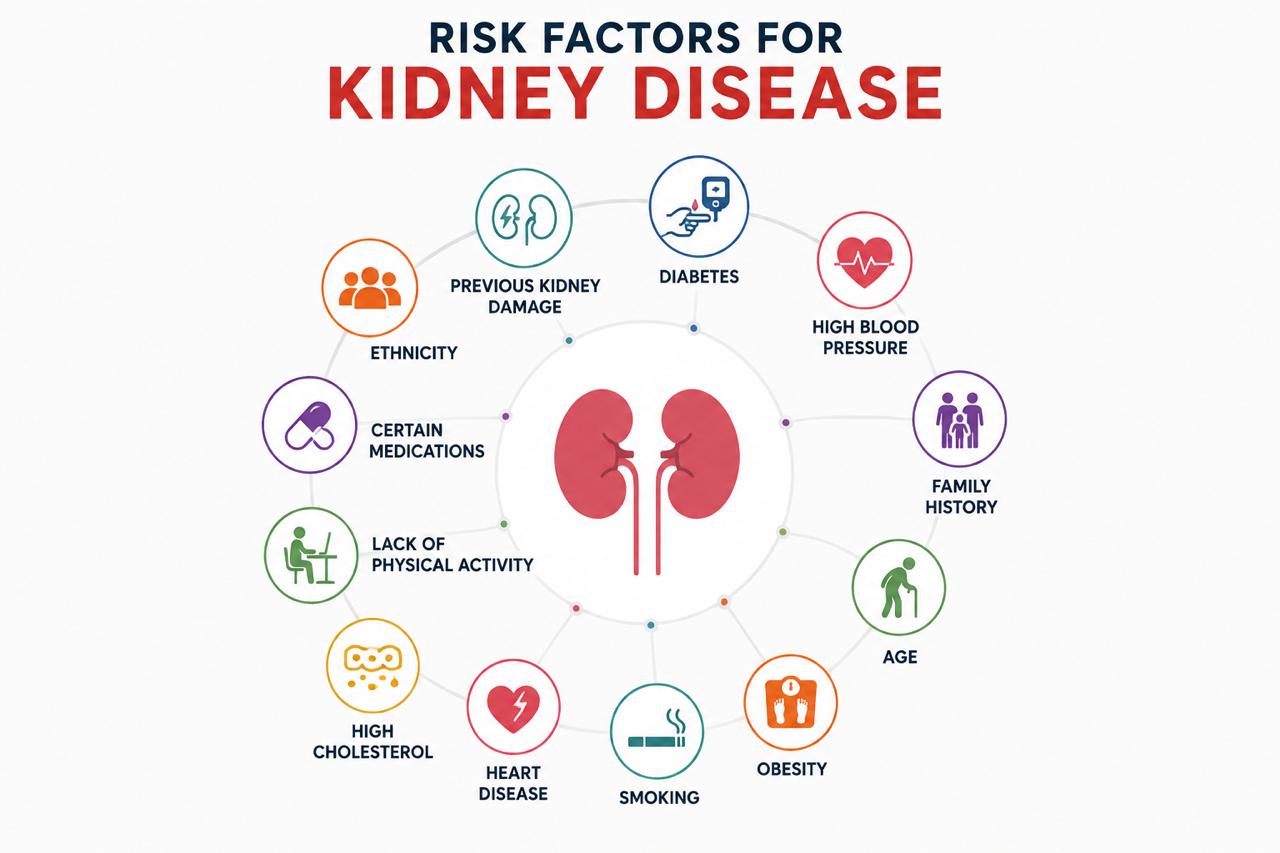
What Are the Risk Factors for Kidney Disease?
Kidney disease is often called a “silent disease” because it can develop for years without causing any symptoms. The good news is that many people…